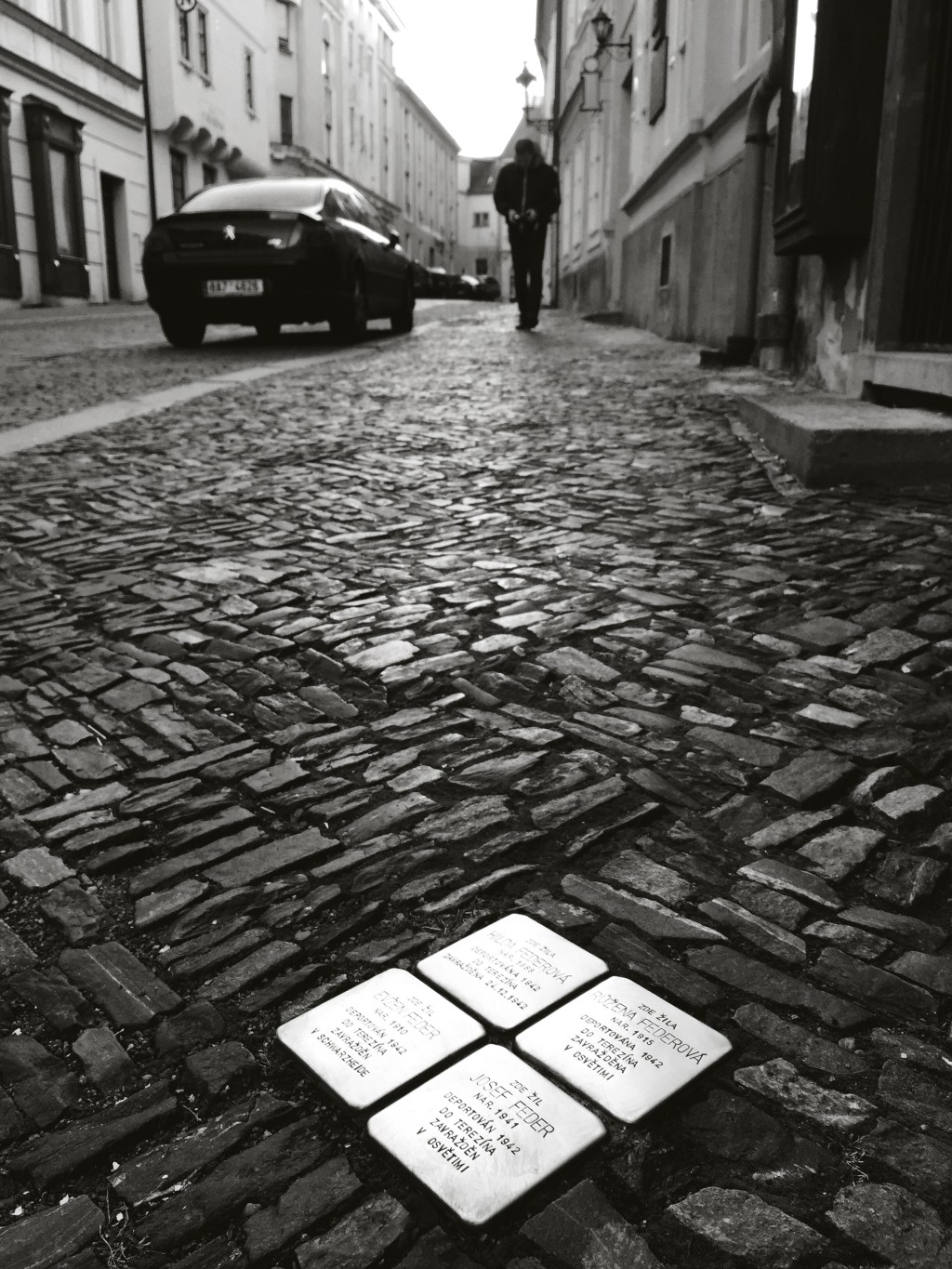
Explore Dark and Volunteer Tourism.
Level 1: Beginner
Vocabulary
- Terrible (adjective): Very bad.
- Disaster (noun): A very bad event that hurts many people.
- Volunteer (verb/noun): To work for free to help others.
- Jobless (adjective): Having no job.
- Respect (noun): Caring about other people’s feelings.
Text
You visit an old prison camp. You feel sad. Terrible things happened here in the past. But you see other visitors smiling and taking photos. You ask yourself: Is this right?
Now, you are in a poor village. You are a volunteer. You are helping to build a house. You feel good. But some local men are watching you. They are jobless. You ask yourself: Should they get paid to build this house instead of me?
These stories show two new types of travel.
The first is dark tourism. Some people visit places where bad things happened, like a war or a disaster. Why? They want to learn and remember the past. But we must ask a difficult question: Is it showing respect to take a happy selfie in a sad place?
The second is volunteer tourism. People travel to help poor communities. They teach English or build schools. It seems like a nice idea. But we must ask another question: Are we really helping, or are we just taking jobs away from local workers?
Both types of travel teach us about the world. But they force us to think: Are our actions always as good as they seem?
Your turn
Here are some questions to help you remember the new words. Try answering them with a friend, or write the answers down.
- Is it okay to take happy photos in a sad place? Why or why not?
- Is it better to travel and help, or just send money to local workers?
- Would you like to visit a place where a disaster happened?
Did you find this level of English comfortable? Then congratulations! Now you can try the next level of difficulty below.
Level 2: Intermediate
Vocabulary
- Sombre (adjective): Sad, serious, and dark in mood or colour.
- Detached (adjective): Not involved or emotionally connected to something.
- Tragedy (noun): A very sad event or situation, especially one involving death or great suffering.
- Preserved (adjective): Kept safe from damage or ruin over a long period of time.
- Selfless (adjective): Caring more about other people’s needs and problems than your own.
- Disrupt (verb): To stop a system, process, or event from continuing in its normal way.
Text
As you walk past the fences of the camp, you feel sombre, a deep sadness inside you. Terrible things happened here. Then, you look over and see other visitors taking pictures by the entrance, smiling. You frown. Should people be allowed to take happy pictures in such a sad place? After all, this isn’t a place people visit just for fun, right?
The scene changes. Now, you are in a local village, helping to build a new house. You wipe the sweat from your forehead and feel proud. It feels good to volunteer and help others. But you notice a couple of unemployed (without a job) local men watching you. A thought crosses your mind: could they have been paid to build this house instead of me?
These two situations show a big change in modern travel. In the past, a classic holiday meant a sandy beach and being completely detached from daily problems. However, as travel has become easier and our lives more comfortable, people want different things. We want experiences that feel real.
One desire is to understand the darker side of human history. Many people today live peaceful lives, far away from the terrible things of the past. Maybe because of this, some people choose to spend their holidays travelling to places connected to death, disaster, and human tragedy. This is called dark tourism.
You might think of the Nazi concentration camps in Poland, the strange, radioactive ruins of Chernobyl in Ukraine, or the Củ Chi Tunnels in southern Vietnam, where visitors crawl underground in old tunnels used during the war. A place of both national pride and the horrors of war.
Why visit these places? When done with respect, dark tourism is educational. It helps us remember the past so that we do not repeat it. Also, places like Pompeii, an ancient Roman town covered by a volcano, show how a terrible event can be connected to an amazingly preserved historical site.
But when does curiosity become disrespectful? Should we turn places of suffering into tourist attractions? And what does it say about us when visitors take a holiday selfie at a disaster site?
Perhaps you prefer to focus on helping others instead. This is called volunteer tourism. This is when a traveller spends their holiday helping communities in lower-income areas.
At first, this seems completely selfless. Privileged people use their time and money to teach English, paint schools, or do construction work.
However, voluntourism has problems too. Unskilled volunteers can accidentally disrupt local economies. By building that wall yourself, did you take a paid day of work away from a skilled local worker?
It also turns complicated political and economic problems into a simple story where the rich tourist is the ‘hero’. Can we really help others without feeling superior in some way?
This is not to say that there are no genuinely good people who help many others by volunteering. But we should always be mindful about how we affect local communities.
Both dark tourism and volunteer tourism let us explore the best and worst parts of humanity. But they also force us to ask difficult questions about ourselves.
Your turn
Here are some questions to increase your understanding and help you remember any new vocabulary. Try answering them with a friend or tutor, or write the answers down. Try to use any new vocabulary in your answers.
- Should there be strict rules about taking photos at places of tragedy, or can individuals decide what is respectful?
- If a volunteer travels to build a school, would it be better to just send money to hire local workers instead? Why?
- Why do you think people who live safe, comfortable lives are so interested in visiting places connected to disaster?
- Is it possible to truly help a struggling community if the volunteer is also looking for a fun personal experience?
Did you find this level of English comfortable? Then congratulations! Now you can try the next level of difficulty below.
Level 3: Advanced
Vocabulary
- Quintessential (adjective): Representing the most perfect, classic, or absolute example of a particular quality or group.
- Inextricably (adverb): In a way that is completely impossible to untangle, separate, or escape from.
- Eerie (adjective): Strange, mysterious, and frightening in a way that makes you feel nervous or uncomfortable.
- Ghoulish (adjective): Showing an unhealthy, unnatural, or inappropriate interest in death, disaster, or human suffering.
- Solemnity (noun): The deeply serious, respectful, and formal quality of a location, occasion, or mindset.
- Altruistic (adjective): Showing a completely selfless, unselfish concern for the happiness and well-being of other people.
Text
As you walk past the bare huts and the chain-link fence that surround the camp, you feel sombre, the sadness deep in your core. Such horror occurred here, so much suffering. You look over and see some other visitors taking pictures by the entrance, smiling. You frown, wondering whether people should be allowed to take pictures in such a place. After all, this isn’t a place people visit just for fun, right?
The scene changes. Now, you are in a local village laying bricks for one of the many new houses being built. You wipe the sweat from your brow and look around with a sense of satisfaction. It feels good to volunteer and help others. A couple of locals sit nearby, watching you curiously. They have been there most of the day, and you guess they are jobless, one of the many unemployed in the local area. A thought crosses your mind: could they have been the ones to help build these new homes instead of you?
These two scenarios demonstrate a shift in modern travel. For decades, the quintessential holiday consisted of a sandy beach, a sun lounger, and a complete detachment from daily life and all its woes. However, as global travel has become more accessible and our own lives more comfortable – at least in comparison to most of human history – other desires have surfaced. We want experiences that are real, that touch on aspects and struggles that most of us no longer face in our daily lives.
One desire is the urge to understand the darker side of human nature. Thankfully, in our modern world, many people live peaceful lives untroubled by the horrors that have plagued much of human history. Perhaps this is why some decide to spend their holidays travelling to destinations historically associated with death, disaster, and human tragedy. This is often called dark tourism.
Depending on your own historical points of reference, the opening scenario might have conjured images of the preserved Nazi concentration camps in Poland, the eerie, radioactive ruins of Chernobyl in Ukraine, or perhaps the Củ Chi Tunnels in southern Vietnam, where visitors crawl through claustrophobic underground networks to comprehend the realities of guerrilla warfare.
Why would someone choose to visit such places? Well, when done with respect, dark tourism can serve an important psychological and educational purpose. It ensures we never forget the horrors of the past so that we can avoid repeating them, and it allows us to see a darker aspect of human nature which, though rarely seen in our modern lives, is still very much within us.
Many of these sites also have historical significance, such as the ruins of Pompeii, where an entire ancient Roman town was covered and preserved by volcanic ash. The tragedy of what happened to the people there is inextricably bound with the amazing preservation of an archaeological site.
But when do education and curiosity turn into a ghoulish fascination? Should we really turn these places of tragedy into marketable tourist assets? Does that take away from the solemnity of such a site? And what does it say about us when visitors treat tragedy as a mere novelty for a holiday selfie?
Perhaps instead of focusing on tragedy, you prefer to focus on life, on helping others. This leads us to volunteer tourism. This is when a traveller chooses to spend their holiday helping communities in low-income areas.
At a glance, the motivations appear entirely altruistic, a desire to ‘give back’ that leads to a hands-on approach to global citizenship, where privileged individuals use their time and wealth to contribute to communities facing hardship, whether it is teaching English in an underfunded rural school, painting orphanages, or undertaking manual construction work. It seems to represent a much better, yet equally real, facet or aspect of human nature.
Yet voluntourism is not without its issues and has faced criticism. Unskilled, short-term volunteers often inadvertently disrupt local economies. By laying those bricks yourself, have you unintentionally deprived a local, skilled labourer of a paid day of work?
Volunteer tourism also runs the risk of reducing complex, systemic political and economic struggles into a sentimental and emotional narrative where the comparatively wealthy tourist is the ‘hero’ helping the struggling ‘natives’. Is it truly possible to separate one’s ego from acts of altruism? And by aiding the material situation, could we be harming the dignity and agency of those we intend to help?
These two types of tourism allow us to explore both the light and dark sides of human nature, seeing some of the best and worst actions of humanity. But in doing so, we must also consider what aspects of our own humanity are revealed in the process.
Your turn
Here are some questions to increase your understanding and help you remember any new vocabulary. Try answering them with a friend or tutor, or write the answers down. Try to use any new vocabulary in your answers.
- Should there be strict rules about taking photos at places of human tragedy, or is it up to the individual to decide what is respectful?
- If a volunteer travels to build a house or a school, would it be better to simply send money to hire local workers instead? Why?
- Why do you think people who live safe, comfortable lives are so fascinated by visiting places associated with death and disaster?
- Is it possible to truly help a struggling community if the volunteer is also looking for personal satisfaction or a good experience for their own life?
- Which do you think is more ethically difficult: visiting a place where people suffered in the past, or volunteering in a place where people are suffering now?
Did you find this level of English too easy? Then congratulations! You can try engaging with native-level content or check out some of my other articles.
About the author
Joe Robert Tuckwell is an English tutor and the creator of English with Ideas.
(Below) Francisco Peralta Torrejón, CC BY-SA 4.0 https://creativecommons.org/licenses/by-sa/4.0, via Wikimedia Commons